Big South Performance provides custom performance engine build planning, component integration, and motorsport-focused development for compatible vehicles in Winston-Salem, Forsyth County, and the surrounding Piedmont Triad.
A performance engine is more than a collection of high-end parts. The rotating assembly, compression ratio, cylinder heads, camshaft, induction system, fuel delivery, ignition, lubrication, cooling, exhaust, engine management, transmission, and drivetrain must support the same performance objective.
Big South Performance approaches performance engine development as a complete system. We consider how the vehicle will be driven, the desired powerband, the intended fuel, the current engine platform, the supporting systems, and the owner’s long-term plans before recommending a build direction.
Whether you are planning a responsive street engine, a forced-induction-ready combination, a restomod powertrain, or a motorsport-focused build, the project should begin with a clear objective and a realistic assessment of the complete vehicle.
Contact Big South Performance to discuss your vehicle, engine platform, current modifications, intended use, and performance goals.
There is no single engine combination that is right for every performance vehicle.
A street-driven restomod may need immediate throttle response, a broad torque curve, reliable cooling, manageable noise, and smooth low-speed operation. A drag-oriented vehicle may prioritize launch torque, high-load durability, and drivetrain strength. A road-course vehicle may need sustained oil control, heat management, repeatable power, and reliable operation over extended sessions.
Big South Performance evaluates the engine as part of the entire vehicle rather than selecting parts solely from advertised horsepower claims.
A custom performance engine build is an engine combination designed around a defined use, output target, operating range, fuel, and vehicle platform.
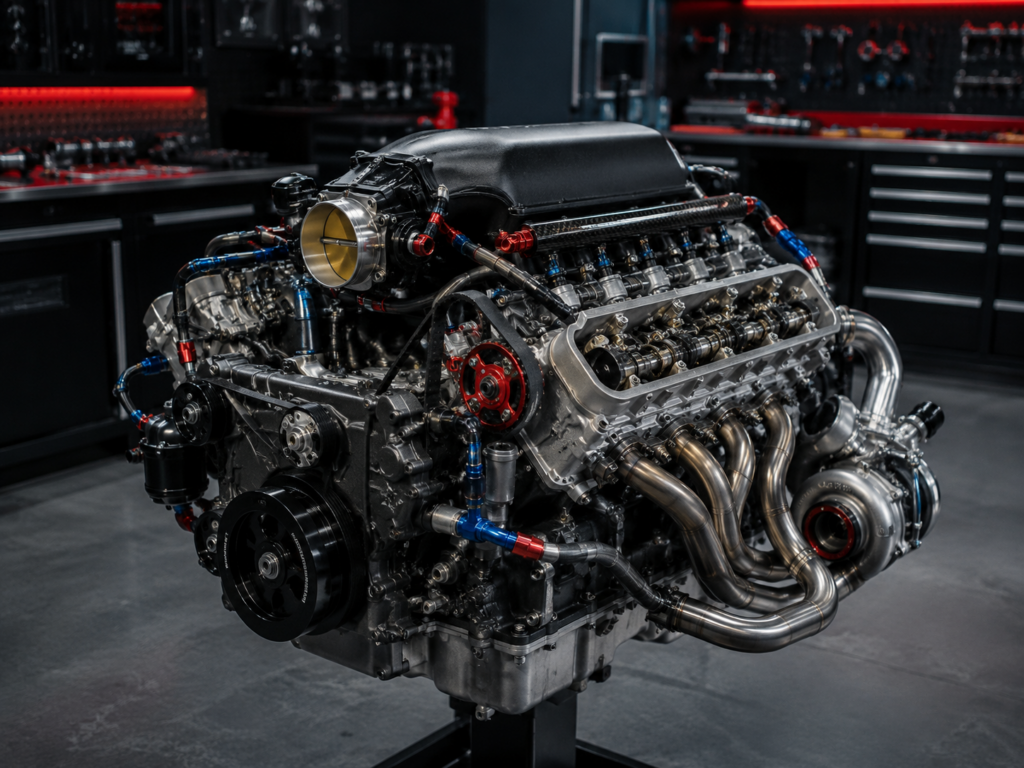
Unlike a factory replacement engine, a performance engine may use upgraded or differently specified components to improve:
A properly planned build may involve changes to:
Not every engine requires every modification. Components should be selected according to the actual goal rather than added simply because they are marketed as performance parts.
A street performance engine must operate well beyond full-throttle acceleration.
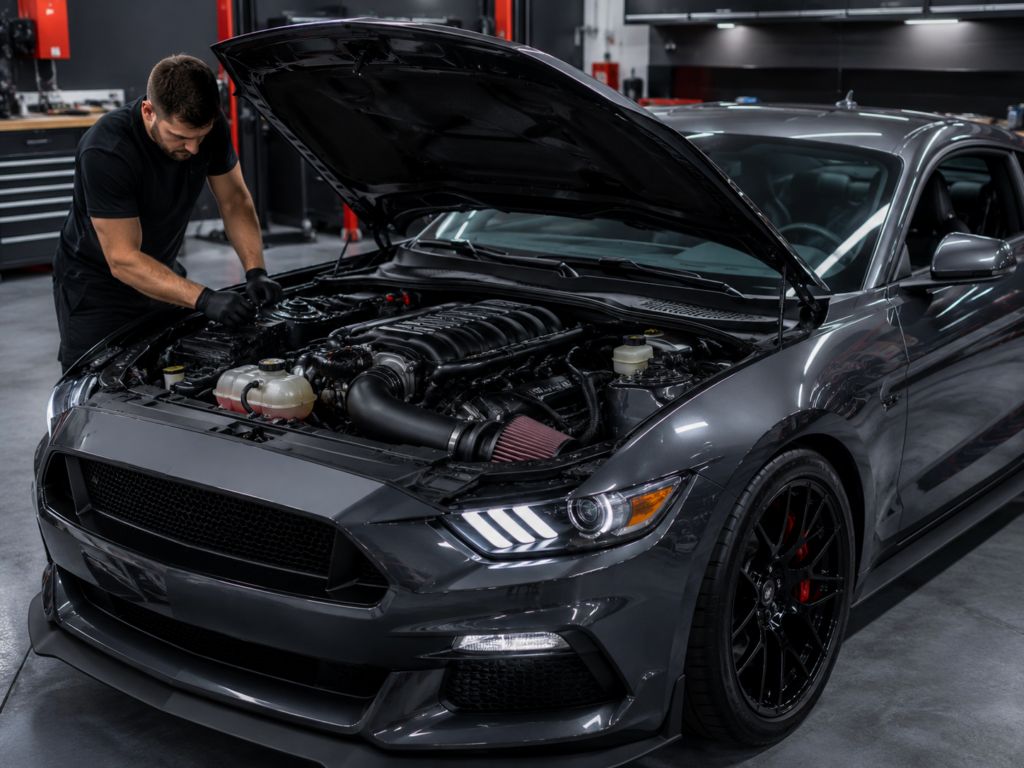
It may need to handle:
For a street-driven vehicle, the most enjoyable engine is often the one that produces broad, usable torque and predictable response rather than the highest possible peak output.
Street-engine planning may prioritize:
An aggressive race-oriented combination may produce impressive peak numbers while creating compromises in idle quality, low-speed response, fuel availability, maintenance, or everyday drivability.
Big South Performance considers how often and where the vehicle will be driven before recommending a street-performance engine strategy.
Motorsport vehicles operate under conditions that may be significantly more demanding than ordinary street use.
Depending on the discipline, a competition engine may face:
Different forms of motorsport place different demands on an engine.
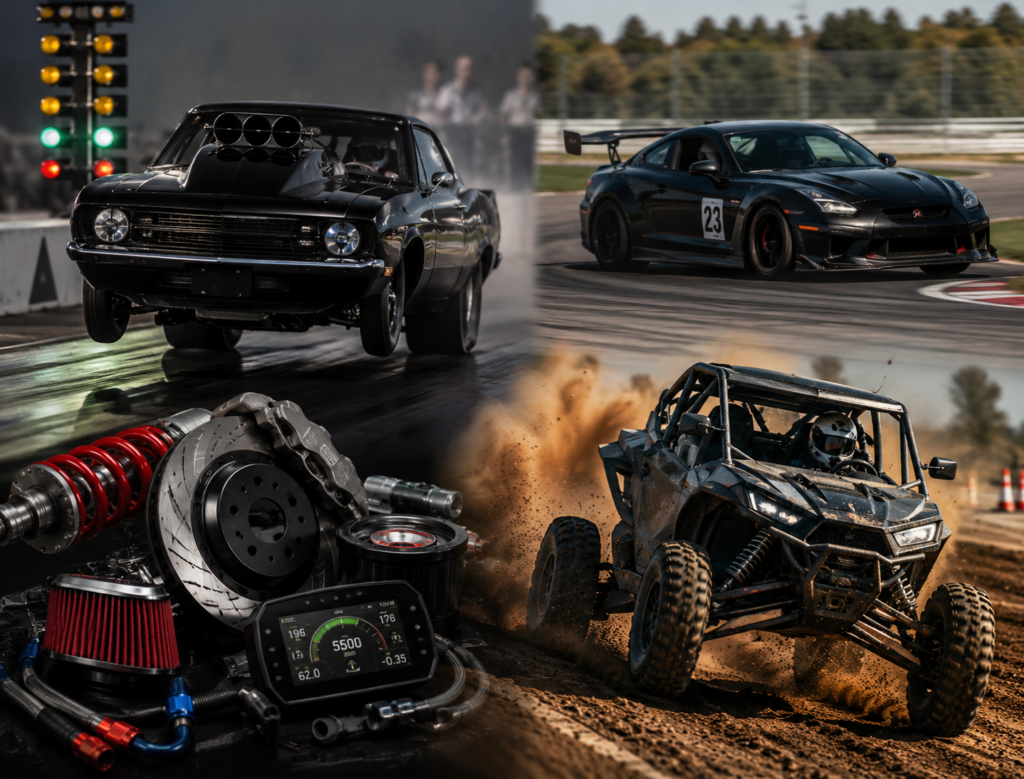
A drag-oriented combination may prioritize:
A road-course engine may require:
An autocross vehicle may benefit from:
A dual-purpose engine requires careful compromise.
The combination must support performance use without making normal street operation unnecessarily difficult. Fuel availability, idle quality, cooling, maintenance, noise, and component life remain important.
Naturally aspirated engines rely on atmospheric pressure and effective airflow to fill the cylinders.
Performance gains may come from improving:
A naturally aspirated combination may include:
These components must be selected to operate within the same RPM range and performance objective.
For example, a large intake manifold, aggressive camshaft, and oversized cylinder-head ports may reduce low-speed response if they are poorly matched to the engine displacement, compression, gearing, and vehicle use.
A successful naturally aspirated engine is a coordinated airflow system—not simply an assortment of large components.
Turbochargers and superchargers increase the amount of air entering the engine. This can produce substantial output, but it also increases cylinder pressure, heat, fuel demand, and stress on internal components.
A forced-induction-ready engine may require consideration of:
The correct combination depends on:
Lower compression is not automatically the correct answer for every forced-induction build. Modern engine design, fuel quality, combustion-chamber efficiency, boost strategy, and electronic control all influence the appropriate specification.
The engine, power adder, fuel system, intercooling, exhaust, and calibration must be planned together.